
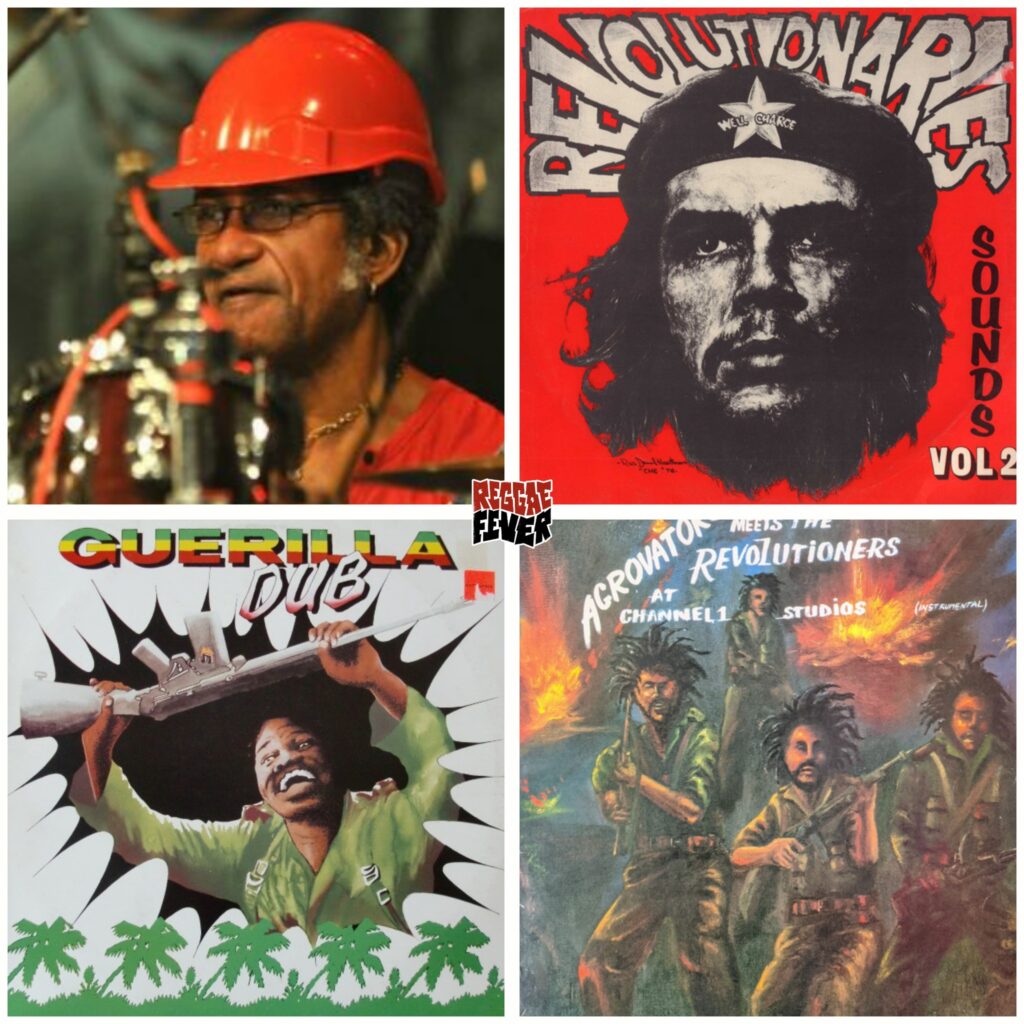
Slaj Danbar (10. 5. 1952 – 26. 1. 2026) nije samo revolucionarizovao instrumentalni aspekt rege muzike, kada je sa Robijem Šekspirom, kao deo benda Revolutionaries, kreirao bubnjarski patern poznat kao „rokers“, već je bio i aktivan deo socijalističkog talasa okupljenog oko Narodne nacionalne partije (PNP) Majkla Manlija.
Krajem 1970-ih, Slajevi ridimi bili su glavna podloga „Socijalističkog ruts saund sistema“, u vlasništvu Tonija Velča – aktiviste Narodne nacionalne partije – koji je uglavnom organizovao plesne večeri u politički istomišljeničkim zajednicama, spajajući zabavu sa izrazima podrške socijalističkoj vladi Jamajke, na čelu sa premijerom Majklom Manlijem. Ovi skupovi uključivali su ruts rege i nastupe didžejeva koji su dodatno učvršćivali vezu sa PNP, dok su učesnici, usred ekonomskih teškoća i revolucionarnog zanosa tog doba, učestvovali u simboličnim gestovima poput nazdravljanja partiji.
Delovanje ovog saund sistema odražavalo je širu politizaciju sound system kulture, koja je često služila kao pokretna platforma za zajedničke mitinge u tzv. garnizonskim naseljima, u kontekstu rivalstva između JLP-a (koju su finansirali i čije su bande naoružavali Amerikanci) i PNP-a (koji su težili kubanskom modelu razvoja).
U tom periodu, Slaj, kao glavni bubnjar benda Revolutionaries, objavljuje militantne albume Revolutionary Sounds (sa Če Gevarom na naslovnici), Guerrilla Dub i Third World, dok brojni instrumentali nose nazive oslobodilačkih pokreta poput M.P.L.A. (Angola), I.R.A. (Irska), A.N.C. (Južna Afrika) i slave velikane poput Markusa Garvija i Malkolma Iksa.
U kasnijim godinama, Slaj Danbar je često nastupao sa radničkim šlemom na glavi, u čast svom radničkom poreklu sa periferije Kingstona, gde je već sa 15 godina ušao u svet muzike kada je video bubnjara Skatelajtsa: „Video sam (Knibsa) kako svira i pomislio: ‘Želim da budem bubnjar’, jer je on najveći radnik u bendu. On je moj idol!” Slaj je ubrzo postao i sam najveći radnik i nije prestao daje revolucionarni bit do samog kraja života. I neće prestati.
Slava mu – kao i Majklu Parentiju, koji nas je napustio pre dva dana.
Sly Dunbar (10 May 1952 – 26 January 2026) not only revolutionized the instrumental aspect of reggae music—when, together with Robbie Shakespeare as part of the band The Revolutionaries, he created the drum pattern known as the “rockers”—but was also an active participant in the socialist wave gathered around Michael Manley’s People’s National Party (PNP).
By the late 1970s, Sly’s riddims formed the backbone of the “Socialist Roots Sound System,” owned by Tony Welch—a People’s National Party activist—who mainly organized dance events in politically like-minded communities, blending entertainment with expressions of support for Jamaica’s socialist government led by Prime Minister Michael Manley. These gatherings featured roots reggae and DJ performances that further strengthened ties to the PNP, while participants, amid the economic hardships and revolutionary fervor of the time, engaged in symbolic gestures such as toasting the party.
The activity of this sound system reflected the broader politicization of sound-system culture, which often served as a mobile platform for collective rallies in so-called garrison communities, within the context of rivalry between the JLP (financed by the Americans and whose gangs were armed by them) and the PNP (which aspired to a Cuban model of development).
During this period, Sly, as the main drummer of The Revolutionaries, released militant albums such as Revolutionary Sounds (with Che Guevara on the cover), Guerrilla Dub, and Third World, while numerous instrumentals bore the names of liberation movements like the M.P.L.A. (Angola), the I.R.A. (Ireland), and the A.N.C. (South Africa), and celebrated figures such as Marcus Garvey and Malcolm X.
In later years, Sly Dunbar often performed wearing a hard hat, in honor of his working-class origins on the outskirts of Kingston, where he entered the world of music at just fifteen after seeing the Skatalites’ drummer: “I saw (Knibb) playing and thought, ‘I want to be a drummer,’ because he’s the hardest worker in the band. He’s my idol!” Sly soon became the hardest worker himself and never stopped delivering a revolutionary beat until the very end of his life. And he never will.
Glory to him—and to Michael Parenti as well, who left us two days ago.
Leave a Reply